

You pay for 85 square meters. You furnish 68. The remaining 17 exist – in the staircase, elevator, and entrance lobby. It's perfectly legal. The problem is that almost no one explains it to you before you sign.
What is the difference between clean and total area?
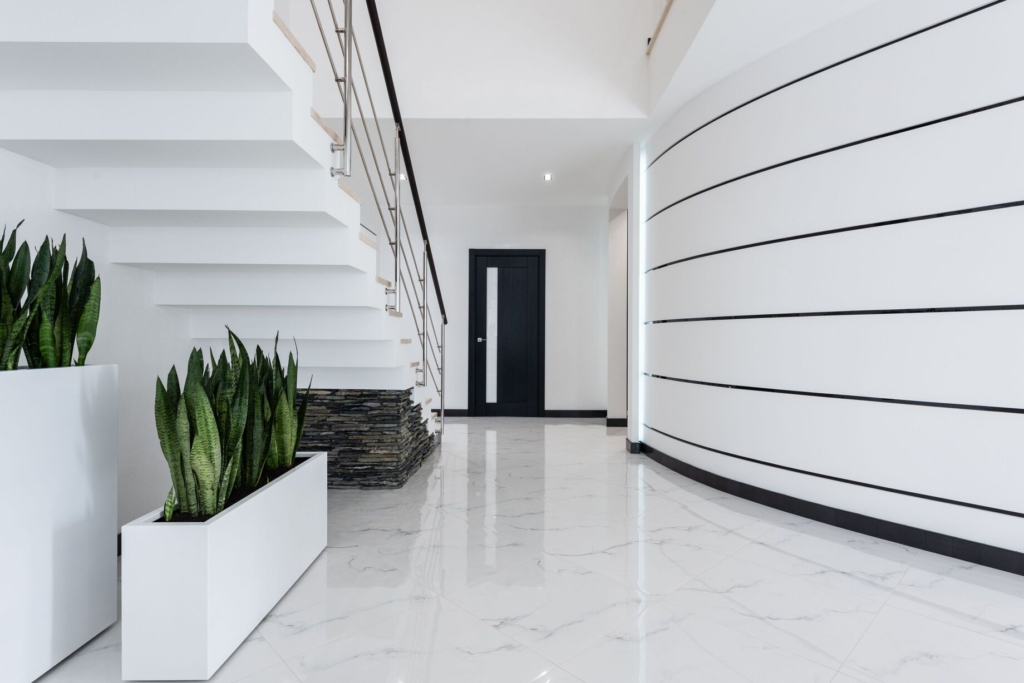
The net area is the space in the dwelling itself. The total area is the clean plus your passing out share of the common parts of the building – staircase, lobby, elevator, technical rooms. The price in the ad is almost always charged on the total area.
The five terms in a row
| Termin | What does it mean |
|---|---|
| Net area | The space in the home – what you furnish |
| Built-up area (ZP) | The area according to the project includes walls, columns and shafts |
| RZP | Expanded built-up area – the amount for all floors |
| Common parts | Staircase, lobby, elevator, roof, technical rooms |
| Perfect parts | Your share of the common parts recorded in the notarial deed |
The bill that changes the decision
Two offers. Equal total area. Different result.
| Apartment A | Apartment B | |
|---|---|---|
| Total area | 85 sq. m | 85 sq. m |
| Announced price per sq. m | 2 800 € | 2 900 € |
| Final price | 238 000 € | 246 500 € |
| Net area | 68 sq. m | 76 sq. m |
| Price per square meter of net area | 3 500 € | 3 243 € |
Housing B looks more expensive in the ad. In fact, for 8,500 € more, you get 8 square meters more living space – and pay 257 € less per real square.
The rule: divide the final price by the net area. This is the only number by which two offers are fairly compared.
High common areas are not always bad
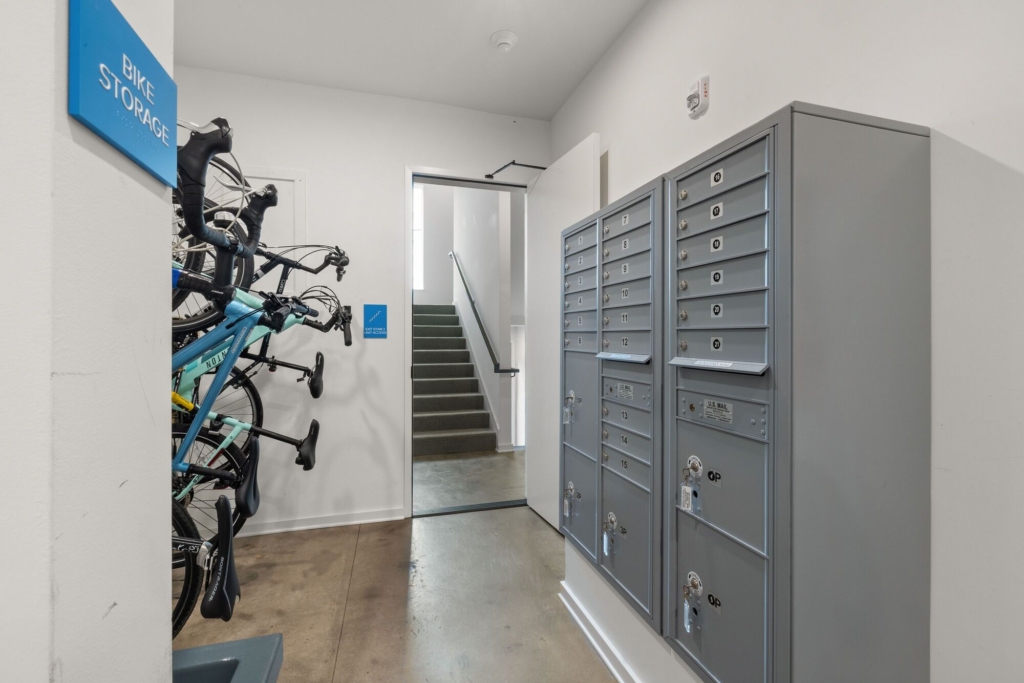
A large lobby, a wide staircase and a second elevator are also common areas. They raise the percentage, but also the quality of life. The difference is whether you get something for them. A percentage of 20% with a spacious lobby and porter is justified. The same percentage with a narrow staircase – is not.
The three questions before the signature
- What is the net area? Request it in writing, in square meters.
- What percentage are the common areas and what do they include? Breakdown, not general assurances.
- Are the terrace and basement included? And by what coefficient they enter the price.
Frequently asked questions
Why do I pay for common areas?
Because you own them. The ideal parts of the staircase, elevator and roof are recorded in your notarial deed and give you the right to use them. Without them, you have no legal access to your own home. You also pay for their maintenance through the monthly fee. Their management and maintenance are regulated by The Condominium Management Act, and the costs are distributed through the monthly fee.
What percentage are common areas usually?
In new construction, most often between 15% and 25% of the total area. The percentage depends on the number of elevators, the width of the staircase and the size of the lobby. Below 10% is rare, above 25% requires an explanation of exactly what you are getting.
Which area is included in the notarial deed?
The notarial deed describes the built-up area of the dwelling and the ideal parts of the common parts of the building. The tax assessment and local tax are also calculated on this basis. Therefore, the difference between declared and deed area is worth checking in advance.
Request the numbers in advance
A good builder has no reason to hide the clean area. Explore global Build projects in Sofia and contact us at +359 878 730 730 – you will get a breakdown of net area, common areas and final price for the specific dwelling.